By SorBeauty Editorial Team | July 3, 2026 | Industry Insights
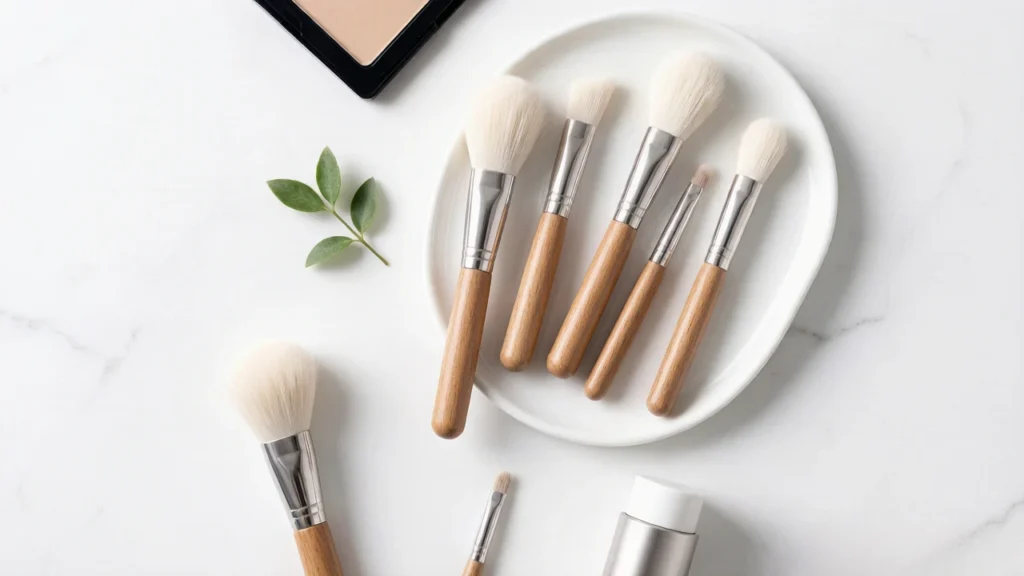
The global beauty tools market is projected to reach $11.2 billion by 2027, growing at a CAGR of 5.8% from 2025. As consumer demand for high-quality, sustainable, and innovative beauty products continues to surge, beauty brands worldwide face a critical question: How do you source the right professional beauty tools that meet market expectations while maintaining profitability?
Whether you are launching a new cosmetics line, expanding your product catalog, or searching for a reliable OEM/ODM partner, this comprehensive guide walks you through everything you need to know about sourcing professional beauty tools in 2026.
1. Understanding the Beauty Tools Market Landscape in 2026
The beauty tools industry has undergone significant transformation in recent years. Driven by social media influence, the rise of indie beauty brands, and growing consumer awareness of product quality, the demand for professional-grade tools has never been higher.
Key Market Drivers
- Social Commerce Boom: Platforms like TikTok and Instagram have made beauty tutorials mainstream, driving demand for accessible yet professional-quality tools.
- Sustainability Movement: Over 67% of beauty consumers now prefer brands that use eco-friendly materials and sustainable packaging.
- Customization Trend: Brands increasingly seek OEM/ODM partners who can deliver bespoke designs, custom colors, and branded packaging.
- Rising Standards in Emerging Markets: Markets in Southeast Asia, Latin America, and Africa are seeing rapid growth in demand for quality beauty tools.
2. Types of Beauty Tools Every Brand Should Consider
Before approaching a manufacturer, it is essential to understand the core product categories within the beauty tools space:
Makeup Brush Sets
The cornerstone of any beauty tools collection. From basic 5-piece starter sets to comprehensive 42-piece professional kits, makeup brushes remain the highest-demand category. Key considerations include bristle material (synthetic vs. natural), handle design, and ferrule quality.
Facial and Skin Care Tools
Includes jade rollers, gua sha stones, facial cleansing brushes, and LED therapy devices. This category has seen explosive growth, with the global facial tools market expected to grow at 8.3% CAGR through 2028.
Cosmetic Sponges and Applicators
Beauty blenders and silicone sponges are everyday essentials. The shift toward latex-free, antimicrobial, and biodegradable sponge materials is a defining trend for 2026.
Nail and Grooming Tools
Nail files, cuticle pushers, tweezers, and eyelash curlers round out a comprehensive beauty tools lineup. Stainless steel quality and precision engineering are critical differentiators here.
3. How to Evaluate a Beauty Tools Manufacturer
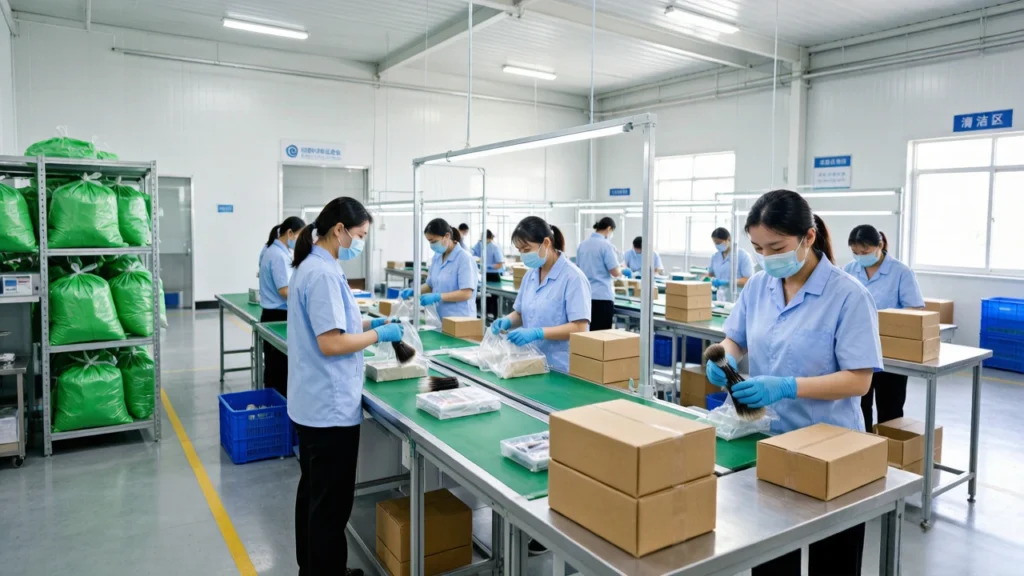
Choosing the right manufacturing partner is arguably the most important decision a beauty brand will make. Here are the critical factors to evaluate:
Certification and Compliance
Always verify that your manufacturer holds internationally recognized certifications. ISO 9001 certification demonstrates a commitment to quality management systems. Additionally, look for compliance with FDA regulations, REACH (for EU markets), and relevant cosmetic safety standards.
Material Quality and Sourcing
The quality of raw materials directly impacts the finished product. Premium manufacturers source bristles, handles, and packaging materials from vetted suppliers. Ask about:
- Synthetic fiber quality (PBT, nylon, taklon)
- Handle materials (wood, resin, aluminum, bamboo)
- Eco-friendly and recyclable packaging options
- Allergen testing and safety documentation
OEM/ODM Capabilities
If you need custom designs, branded packaging, or exclusive product development, your manufacturer must have robust OEM/ODM capabilities. This includes in-house design teams, prototyping services, and the ability to produce low minimum order quantities (MOQs) for product testing.
Quality Control Processes
A reliable manufacturer implements multi-stage quality control — from incoming material inspection to in-process checks and final batch testing. Request documentation of their QC protocols and defect rate thresholds.
Production Capacity and Lead Times
For growing brands, scalability matters. Ensure your manufacturer can handle both small test runs and large-volume orders. Typical lead times range from 15 to 45 days depending on order size and customization level.
4. The Rise of Sustainable Beauty Tools
Sustainability is no longer a nice-to-have — it is a market requirement. In 2025, consumers actively seek brands that align with their environmental values. Here is how leading manufacturers are responding:
Eco-Friendly Materials
Bamboo handles, biodegradable sponges, recycled aluminum ferrules, and vegan synthetic bristles are replacing traditional materials. These alternatives offer comparable performance while dramatically reducing environmental impact.
Recyclable Packaging
Forward-thinking manufacturers are eliminating single-use plastics in favor of kraft paper, compostable materials, and minimalist packaging designs that reduce waste without compromising product protection.
Ethical Manufacturing Practices
Beyond materials, ethical labor practices, energy-efficient production, and waste reduction programs are becoming standard expectations. Brands should ask potential partners about their sustainability initiatives and corporate social responsibility policies.
“Sustainability in beauty tools is not just about materials — it is about building a supply chain that respects both people and the planet while delivering products that perform.”
5. Step-by-Step Sourcing Process for Beauty Brands
Follow this proven framework to source beauty tools efficiently and minimize risk:
- Define Your Product Requirements: Create detailed specifications including product type, materials, dimensions, colors, and packaging needs.
- Research and Shortlist Manufacturers: Evaluate 5–10 manufacturers based on certifications, portfolio, client reviews, and communication responsiveness.
- Request Samples: Always order samples before committing to bulk production. Evaluate quality, durability, and aesthetic appeal firsthand.
- Negotiate Terms: Discuss MOQs, pricing tiers, payment terms (T/T, L/C, PayPal), and delivery timelines. Ensure all terms are documented in a formal agreement.
- Place a Trial Order: Start with a smaller production run to validate quality consistency and logistics before scaling up.
- Establish Ongoing Communication: Maintain regular contact with your manufacturer for reorder planning, product updates, and quality feedback.
6. Common Pitfalls to Avoid
Even experienced brands can fall into sourcing traps. Here are the most common mistakes and how to avoid them:
- Choosing on Price Alone: The cheapest manufacturer rarely delivers the best long-term value. Factor in quality, reliability, and service.
- Skipping Sample Testing: Never skip the sampling phase. What looks good in photos may not meet expectations in person.
- Ignoring IP Protection: If you are developing custom designs, ensure your manufacturer signs a non-disclosure agreement (NDA) to protect your intellectual property.
- Overlooking Logistics Costs: Factor in shipping, customs duties, and insurance when calculating total landed cost.
- Underestimating Lead Times: Build buffer time into your launch schedule to accommodate production delays or quality rework.
7. Why SorBeauty Is Your Trusted Beauty Tools Partner
With over 10 years of experience in beauty tool manufacturing, SorBeauty has established itself as a trusted partner for beauty brands and distributors across 50+ countries. Here is what sets us apart:
- ISO 9001 Certified Manufacturing: Rigorous quality control at every production stage ensures consistent, premium-quality products.
- 500+ Product SKUs: An extensive catalog spanning makeup brushes, facial tools, sponges, and more — with full customization options.
- Full OEM/ODM Services: From concept design to branded packaging, our in-house R&D team brings your vision to life.
- Eco-Friendly Commitment: Sustainable materials, recyclable packaging, and green manufacturing practices across our product lines.
- Global Logistics Network: Reliable shipping via DHL, FedEx, and UPS with on-time delivery to customers worldwide.
- 24/7 Customer Support: A dedicated team providing timely responses and comprehensive after-sales service.
Ready to Source Premium Beauty Tools for Your Brand?
Get a free quote and product consultation from our expert team today.Get a Free Quote →
Conclusion
Sourcing professional beauty tools in 2025 requires a strategic approach that balances quality, sustainability, customization, and cost. By understanding market trends, evaluating manufacturers thoroughly, and following a structured sourcing process, beauty brands can build product lines that resonate with today’s discerning consumers.
The beauty tools industry is evolving rapidly — and partnering with the right manufacturer can be the difference between a product that merely sits on shelves and one that flies off them. Choose wisely, test rigorously, and never compromise on quality.
Tags: beauty tools makeup brushes OEM/ODM manufacturing sourcing guide 2026 trends